Strong leadership is one of the biggest factors behind successful teams. Companies throughout Westminster are looking for more engaging ways to develop communication, decision-making, and problem-solving skills among managers and employees. That’s why leadership escape room training games have become a popular solution for businesses that want practical learning experiences instead of traditional lectures.
Unlike standard workshops, escape room challenges place participants in realistic scenarios that require teamwork, strategic thinking, and adaptability. Whether you’re training new managers, preparing future leaders, or strengthening executive collaboration, these activities provide memorable lessons that carry over into the workplace.
At King’s Eye Escape, organizations use immersive experiences to develop stronger leaders while creating a fun and engaging environment for their teams.
Why Escape Rooms Work for Leadership Development
Leadership is learned through experience. Escape room scenarios encourage participants to communicate effectively, delegate responsibilities, and solve problems under pressure.
These experiences help teams:
- Improve communication skills.
- Build trust among coworkers.
- Strengthen critical thinking.
- Encourage collaboration.
- Develop confidence in decision-making.
Many companies now incorporate leadership development escape room activities into employee training programs because they deliver practical results while maintaining high engagement.
15 Leadership Escape Room Training Games
1. Mission-Based Leadership Challenge
In this activity, participants are assigned a mission with limited information and strict time constraints. Team leaders must organize responsibilities and guide everyone toward a common objective.
These scenarios teach leaders how to:
- Delegate tasks effectively.
- Stay calm under pressure.
- Encourage collaboration.
This type of exercise is commonly used in corporate leadership training games because it mirrors real workplace situations.
2. Communication Under Pressure
Poor communication causes many workplace problems. Escape rooms naturally force teams to exchange information quickly and accurately.
Managers learn how to:
- Listen actively.
- Share information clearly.
- Avoid misunderstandings.
- Encourage participation.
These communication exercises help leaders become more effective in everyday business situations.
3. Decision-Making Time Trials
Leaders often face situations where quick decisions are necessary. In timed escape room challenges, participants must analyze information and make choices with limited resources.
These decision-making team challenges strengthen:
- Analytical thinking.
- Prioritization skills.
- Confidence.
- Strategic planning.
The lessons learned frequently transfer directly into workplace management.
4. Delegation Exercises
Successful leaders know they cannot do everything themselves.
Escape room scenarios reward teams that divide responsibilities and utilize everyone’s strengths. Participants quickly discover that effective delegation improves performance and reduces stress.
This activity helps managers understand how to trust their teams while maintaining accountability.
5. Resource Management Challenges
Limited clues and restricted time force participants to manage resources wisely.
These experiences teach:
- Planning.
- Organization.
- Strategic thinking.
- Efficient teamwork.
Many businesses use these manager training escape room ideas to prepare supervisors for real-world leadership responsibilities.
6. Crisis Response Scenarios
Unexpected obstacles are introduced throughout the experience, forcing teams to adjust their strategies.
Leaders learn how to:
- Stay composed.
- Adapt quickly.
- Encourage teamwork.
- Make sound decisions under pressure.
These situations closely resemble challenges faced in modern workplaces.
7. Executive Collaboration Games
Senior leaders often struggle with communication across departments.
Specialized executive problem-solving games encourage cooperation between managers, executives, and department heads.
Participants develop:
- Cross-functional communication.
- Strategic planning.
- Leadership alignment.
- Shared problem-solving skills.
These exercises help organizations improve overall efficiency.
8. Problem-Solving Mysteries
Complex puzzles require teams to analyze information from different perspectives.
Rather than relying on one individual, successful groups learn the importance of collective thinking.
This approach promotes:
- Creativity.
- Innovation.
- Team collaboration.
- Leadership confidence.
9. Role Rotation Activities
Participants switch leadership roles during the challenge.
This approach allows employees to:
- Experience different responsibilities.
- Develop empathy.
- Improve communication.
- Understand leadership styles.
Role rotation is one of the most effective leadership development escape room activities because it exposes team members to various perspectives.
10. Strategic Planning Missions
Longer escape room experiences require participants to think several steps ahead.
Teams learn:
- Goal setting.
- Prioritization.
- Risk management.
- Strategic execution.
These skills are essential for managers and executives alike.
11. Trust-Building Challenges
Strong teams are built on trust.
Escape room activities encourage coworkers to depend on one another and recognize individual strengths. As confidence grows, communication and productivity often improve.
Trust-building exercises are especially valuable for newly formed teams.
12. Creative Thinking Exercises
Innovation drives business success.
Escape rooms encourage participants to approach problems from different angles and consider unconventional solutions.
These experiences help leaders:
- Think creatively.
- Embrace new ideas.
- Encourage innovation.
- Adapt to changing situations.
13. Leadership Through Observation
Not every leader needs to dominate conversations.
Some of the best leaders carefully observe team dynamics and provide guidance when necessary.
Escape room scenarios help participants understand:
- Emotional intelligence.
- Situational leadership.
- Team motivation.
- Effective communication.
14. Conflict Resolution Challenges
Disagreements can either strengthen or weaken teams.
Leadership-focused escape rooms teach participants how to:
- Resolve conflicts professionally.
- Encourage collaboration.
- Maintain focus.
- Build stronger relationships.
These skills are essential in today’s workplace.
15. Competitive Team Experiences
Friendly competition creates excitement while encouraging growth.
Teams learn:
- Accountability.
- Cooperation.
- Strategic thinking.
- Leadership development.
Because everyone is working toward a common objective, the experience strengthens relationships and improves workplace morale.
Benefits of Leadership Escape Room Training Games
Organizations that implement leadership escape room training games often experience improvements in:
- Team communication.
- Employee engagement.
- Problem-solving abilities.
- Leadership confidence.
- Collaboration between departments.
Unlike traditional seminars, escape rooms provide hands-on experiences that participants remember long after the event ends.
Why Choose King’s Eye Escape
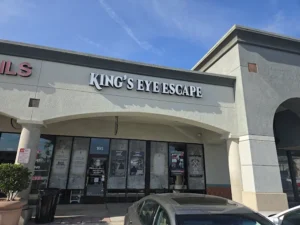
Located in Westminster, CA, King’s Eye Escape is a popular destination for thrilling, immersive escape-room adventures. With more than five years of experience welcoming guests of all ages, the team has hosted countless birthday celebrations, corporate team-building events, and group outings.
Each escape room is carefully designed to strike the perfect balance between fun and challenge. From creative puzzles to interactive missions and engaging storylines, every experience encourages teamwork, sharpens critical thinking, and improves problem-solving skills for kids, teens, and adults alike.
Safety and guest satisfaction are always a priority. Every session is monitored by trained staff to ensure a secure and enjoyable environment. The friendly team also supports parents, event organizers, and group leaders throughout the booking process, making it simple and stress-free so everyone can focus on having an unforgettable experience.
Conclusion: Build Stronger Leaders With King’s Eye Escape
Developing effective leaders requires more than presentations and lectures. Interactive experiences allow employees to practice communication, collaboration, and decision-making in a fun and memorable environment.
If you’re looking for engaging leadership escape room training games, King’s Eye Escape offers exciting experiences that help organizations strengthen teams and develop future leaders.
Contact King’s Eye Escape today and discover how immersive challenges can transform your next corporate training event.
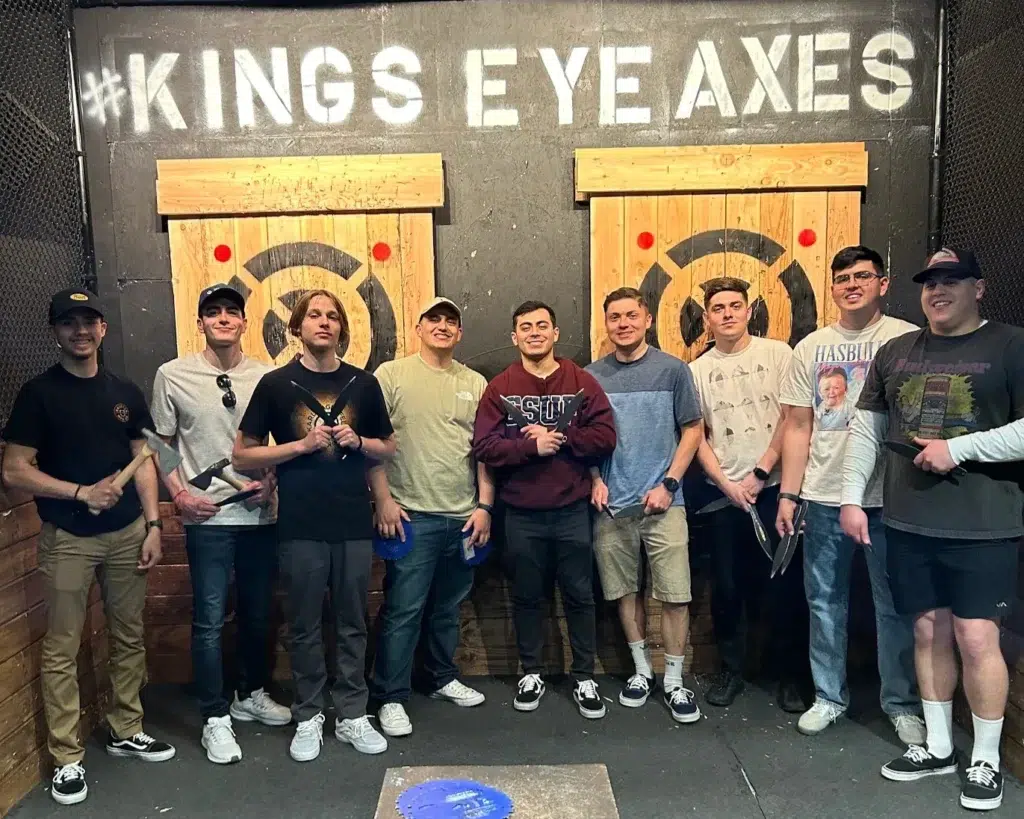
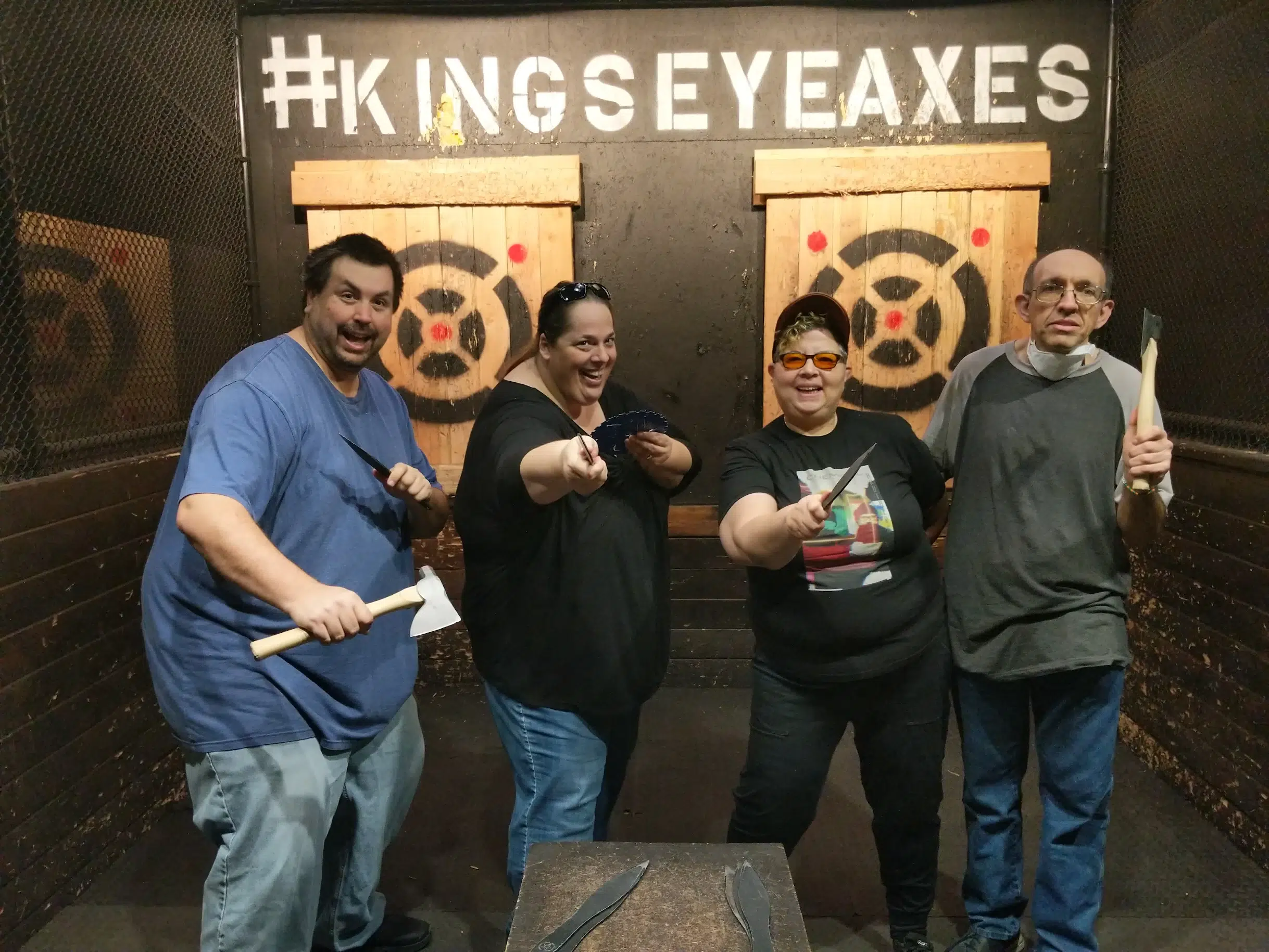
Book your axe-throwing or escape room experience today at King’s Eye Escape and enjoy unforgettable fun with friends, family, coworkers, or party guests in Westminster, CA!